

Categories
Home Buying, First-Time BuyersPublished February 5, 2026
Keys to Success: First-Time Homebuyer Tips That Actually Work


Buying your first home feels like adulting on expert mode. One minute you're scrolling through listing photos imagining where your furniture would go, and the next you're drowning in a sea of acronyms like PMI, APR, and HOA, wondering if you accidentally signed up for a college course instead of a house hunt. Take a deep breath. Thousands of people figure this out every year, and you can too.
Let's start with the foundation of your homebuying journey—money. Before you fall in love with a charming bungalow or a sleek modern townhome, you need to know what you can actually afford. And here's a plot twist: what the bank says you can afford and what you should actually spend are often two very different numbers. Just because you're approved for a $350,000 mortgage doesn't mean you need to max it out. Leave yourself breathing room for life's little surprises, because they always show up right after you close on a house.
Getting your finances in order sounds about as fun as watching paint dry, but it's crucial. Check your credit score and clean up any issues lurking in your credit report. A difference of just a few points can impact your interest rate, and over 30 years, that adds up to real money. Start saving for a down payment if you haven't already, and remember—you don't necessarily need 20% down despite what your parents told you. Many first-time homebuyer programs in Texas offer options with as little as 3% down.
Here's something nobody tells you until you're knee-deep in the process. The down payment isn't the only cash you need upfront. Closing costs typically run 2-5% of the purchase price, and you'll want some money left over for immediate needs when you move in. That water heater that seemed fine during inspection? It might decide to retire the week you move in. Plan accordingly.
Finding the right real estate agent is like dating—you want someone who gets you, communicates well, and has your best interests at heart. Interview a few agents before committing. Ask about their experience with first-time buyers, their knowledge of neighborhoods you're interested in, and how they communicate. A good agent will educate you throughout the process, not just push you toward a quick sale. In the Bryan-College Station area, local expertise matters because neighborhood dynamics can vary wildly just a few streets apart.
Let's talk about house hunting, which sounds romantic until you've spent three weekends looking at properties that all blur together. Make a list of must-haves versus nice-to-haves, and actually stick to it. Yes, that pool looks amazing, but do you really want to maintain it? That fixer-upper has potential, but do you have the budget and energy for renovations? Be honest with yourself about your lifestyle and priorities. Your first home doesn't have to be your forever home—it just needs to work for you right now.
Location matters more than you think, and we're not just talking about commute times. Research the neighborhood at different times of day and different days of the week. That quiet street on Sunday afternoon might turn into a busy thoroughfare on weekday mornings. Check out the schools even if you don't have kids—good school districts help property values hold strong. Look at future development plans for the area, because that vacant lot next door might not stay vacant forever.
The Texas real estate market has its own personality quirks you need to understand. Property taxes here can pack a punch since we don't have state income tax. Factor those into your monthly budget from day one, not as an afterthought. Homeowner's insurance in Texas isn't optional, and rates vary depending on location and home features. Get quotes early in your search so you're not shocked when you see the numbers at closing.
Home inspections are non-negotiable. Yes, they cost money, but they can save you from buying someone else's expensive problems. A good inspector will find issues you'd never notice, from foundation concerns to electrical problems hiding in the walls. Don't skip the inspection to save a few hundred bucks or to make your offer more attractive. That's like buying a used car without checking under the hood—it might work out, but why take that risk?
Here's where first-time buyers often stumble. They fall in love with a house and lose all negotiating sense. Remember, this is a business transaction, not a romantic relationship. Make reasonable offers based on comparable sales, not emotion. If the inspection reveals problems, negotiate for repairs or credits. Don't be afraid to walk away if something doesn't feel right or if the numbers don't work. There will be other houses, but a bad purchase can haunt you for years.
The mortgage process feels designed to make you want to pull your hair out. You'll provide the same documents multiple times, answer questions that seem repetitive, and wonder why it takes so long to get a simple answer. This is normal. Keep copies of everything organized in one place, respond to lender requests promptly, and resist the urge to make any major financial changes during underwriting. Don't buy a car, switch jobs, or open new credit cards while your mortgage is processing. Seriously, just don't.
Understanding mortgage options helps you make smarter decisions. Fixed-rate mortgages offer predictability—your payment stays the same for the life of the loan. Adjustable-rate mortgages might start with lower rates but can increase over time. FHA loans work great for first-time buyers with smaller down payments and decent credit. VA loans offer amazing benefits for veterans and active military. Each option has pros and cons depending on your situation.
Let's talk about what happens between offer acceptance and closing, because this period is where deals can fall apart. Stay on top of deadlines for inspections, appraisals, and loan processing. Communicate regularly with your agent and lender. Read everything carefully before signing, and don't be afraid to ask questions when something doesn't make sense. You're making probably the biggest financial decision of your life—you're allowed to want clarity.
The appraisal exists to protect both you and the lender by confirming the home is worth what you're paying for it. If the appraisal comes in low, don't panic. You've got options, from renegotiating the price to bringing extra cash to closing to making up the difference. Your agent will help you navigate this if it happens, and it's not the end of the world even though it feels like it in the moment.
Title insurance and surveys might seem like bureaucratic nonsense, but they're actually protecting your interests. Title insurance ensures nobody else has a claim to your property, while the survey confirms property boundaries. These safeguards prevent ugly surprises down the road, like discovering your neighbor's fence is actually three feet onto your land or that there's a lien from previous owners.
The closing day will arrive faster than you expect. You'll sign what feels like a thousand documents, hand over a scary amount of money, and walk away with keys to your very own home. Bring a pen, bring identification, bring certified funds for your closing costs, and bring patience. The whole process typically takes about an hour, and then you're officially a homeowner.
Here's what nobody tells you about that first night in your new home. It feels weird. The sounds are different, the shadows fall in unfamiliar patterns, and you might wonder what you've gotten yourself into. That's completely normal. Give yourself time to adjust and make the space your own. Soon enough, it'll feel like the haven you've been searching for all along.
Buying your first home in Texas is a journey full of learning curves and small victories. You'll make mistakes, have moments of doubt, and probably question your sanity at least once during the process. But you'll also build equity, create stability, and invest in your future in ways that renting never could. With good preparation, realistic expectations, and the right team supporting you, those keys to success are absolutely within reach.
One home at a time, you'll find your haven.
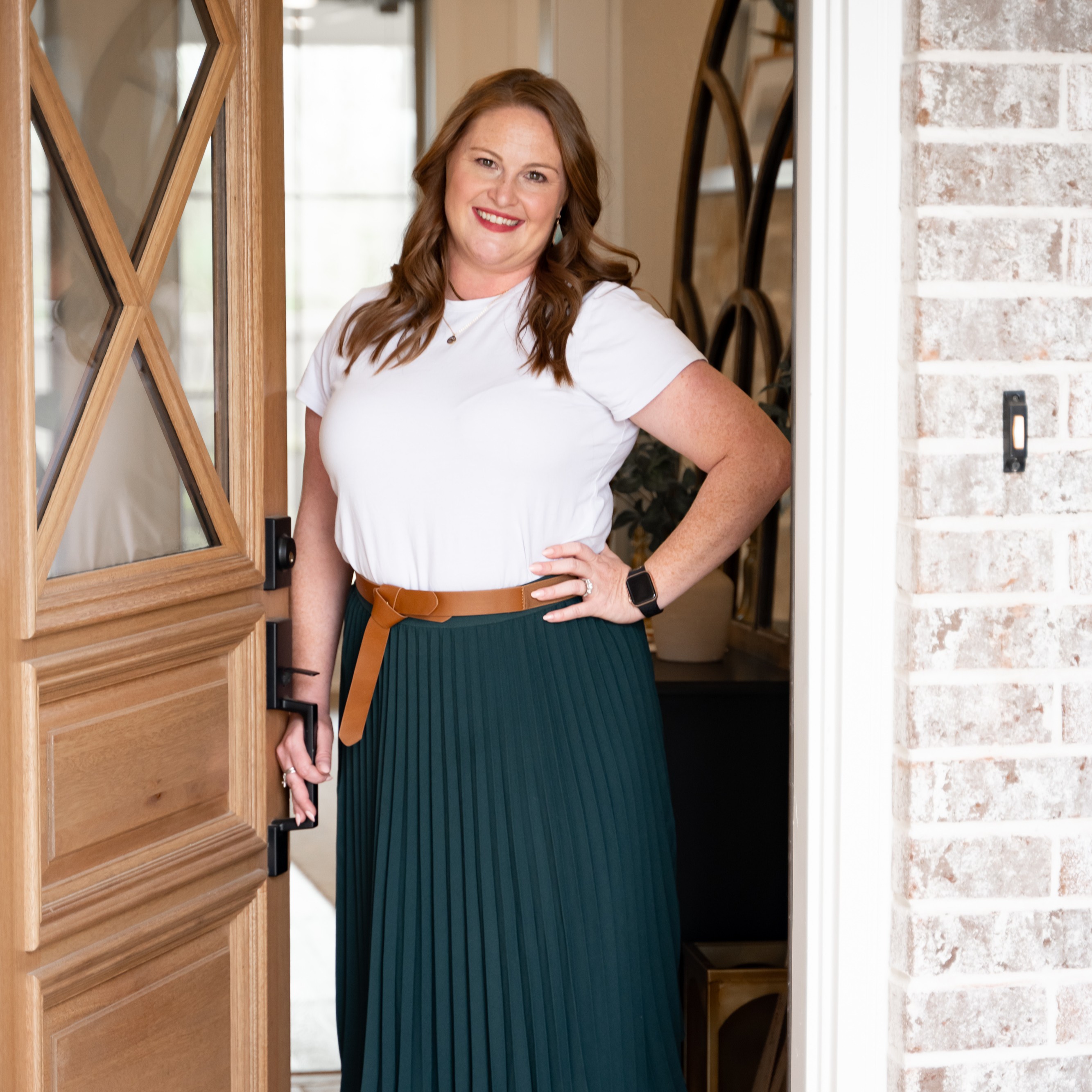
Haven + Lane Realty Group
Broker, Co-owner | Haven + Lane Realty Group brokered by REAL
or another way